About ninety minutes inland from Malindi, wind and seasonal rain have spent centuries carving a network of sandstone ridges and gullies into bands of white, ochre, rust and deep red. Locally it's called Nyari — 'the place broken by itself' in the Giriama language — a reference to the legend explaining its formation. Internationally, it's known by its more dramatic nickname: Hell's Kitchen.
The legend
As the story is told by local guides, a wealthy but arrogant family once lived on this land, so consumed by pride that they refused to share their prosperity with neighbours in need. In punishment, the ground beneath their homestead and cattle is said to have collapsed overnight, swallowing everything and leaving only the eroded gorge behind as a warning against greed.
Getting the best light
The canyon's colours shift dramatically with the sun's angle. Early morning light rakes across the eastern ridges in soft gold; late afternoon turns the western walls a deep, almost molten red. If photography is a priority, we schedule this stop for the last two hours before sunset whenever the day's itinerary allows.
- Wear shoes with grip — the rim trail and gorge floor are sandy and can be loose underfoot.
- Bring a wide-angle lens if you shoot with a dedicated camera; the scale is hard to capture on a standard phone lens without stepping back.
- Budget at least 45 minutes if you plan to descend into the gorge itself, not just view from the rim.
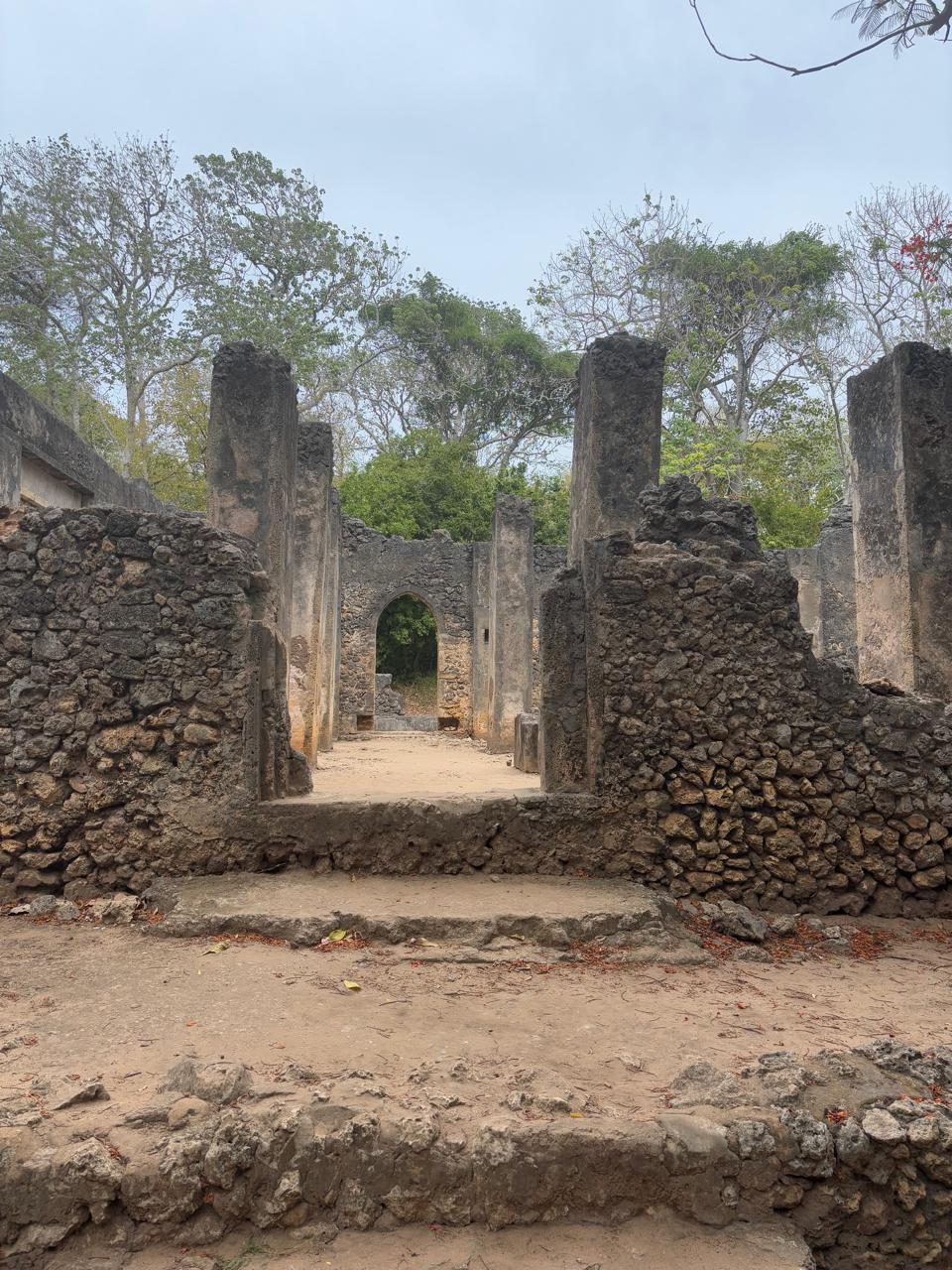
Marafa is the second stop on our full-day Gede Ruins & Hell's Kitchen Heritage Tour, timed for the golden-hour light described above.